Is Water Damage From a Burst Pipe Covered the Same Way as Flood Damage Under a Homeowners Policy?

Table of Contents
- Introduction
- Burst Pipes and Floods Are Two Different Perils
- Homeowners Insurance Water Damage vs Flood Damage
- Does a Homeowners Policy Cover Flooding?
- The Water Damage Exclusions That Catch People
- Why the Label on Your Claim Decides the Outcome
- What to Do in the First 24 Hours
- Conclusion
- Get Help Identifying Which Part of Your Policy Applies
- Insurance Disclaimer
- Frequently Asked Questions
Key Takeaways
- No. Sudden water damage from a burst pipe is typically covered by a standard homeowners policy. Flood damage from rising outside water is generally excluded.
- The deciding factor is usually where the water came from, not how much damage it did.
- Separate flood coverage, commonly written through the National Flood Insurance Program or a private flood carrier, is what covers rising water.
- Gradual leaks and long-term seepage are a third category, and they are frequently denied under either policy.
- How a loss gets labeled at the start often determines what gets paid, which is why the cause matters more than the puddle.
Introduction
No. Sudden water damage from a burst pipe is typically covered by a standard homeowners policy, while flood damage from rising outside water is generally excluded and requires separate flood insurance. Two homes can have the same soaked drywall and the same ruined flooring and get completely different answers, because coverage follows the source of the water rather than the size of the mess.
That distinction is the single most common point of confusion in water and flood damage claims, and it is worth understanding before you file rather than after an adjuster has already categorized your loss.
Burst Pipes and Floods Are Two Different Perils
Insurance does not treat "water damage" as one thing. It treats water as several different perils depending on where it came from and how fast it arrived.
The broad categories a policy tends to recognize:
- Sudden and accidental discharge from plumbing, appliances, or HVAC, which is what a burst pipe is
- Flood, meaning rising surface water from outside the structure
- Surface water and seepage entering below grade
- Sewer or drain backup, which is often its own endorsement
- Gradual leakage over weeks or months, which is usually treated as maintenance
Each one sits in a different place in the policy. A single storm can produce two of them at once in the same basement, which is exactly how disputes start.
Homeowners Insurance Water Damage vs Flood Damage
The homeowners insurance water damage vs flood damage line comes down to one question: did the water come from inside your plumbing or from outside your walls?
A burst supply line, a failed washing machine hose, a cracked pipe in an exterior wall after a freeze. Water came out of the system that was supposed to contain it, suddenly. That is the pattern a standard policy is built to cover.
Rising water from a swollen creek, saturated ground pushing in, a street that could not drain during a heavy storm. Water came from outside and rose. That is flood, and a standard homeowners policy generally excludes it.
Worth knowing: a frozen pipe that bursts is normally the first category rather than the second, even though the trigger was weather. The client's own frozen and broken pipe claims page puts it plainly, noting there is "a good chance your claim will be covered" while adding that "coverage depends on the policy and circumstances of the loss."
Does a Homeowners Policy Cover Flooding?
Generally no, and this surprises people every single spring. The flood exclusion is standard on most homeowners forms rather than an unusual add-on.
Flood coverage normally comes from somewhere else:
- The National Flood Insurance Program, administered federally
- A private flood insurance carrier
- Specific endorsements some insurers offer for limited water backup situations
A few practical notes that matter more than the definitions:
- Flood policies typically have their own waiting period before coverage begins, so buying one during a storm warning does not help
- A mortgage lender may require flood coverage in some zones and not in others
- Not being in a mapped high-risk zone does not mean flooding cannot happen, it means the premium is lower
Whether you carry flood coverage is something to check now, not after water is in the basement. Your agent or carrier is the authority on what you actually hold.
The Water Damage Exclusions That Catch People
Most denials are not about floods. They are about water damage exclusions that sit between the two obvious categories.
| Scenario | How it is usually treated |
|---|---|
| Pipe bursts suddenly | Typically covered as sudden and accidental discharge |
| Pipe leaked slowly for months | Often excluded as gradual damage or maintenance |
| Rising water from outside | Generally excluded, flood coverage territory |
| Sewer or drain backup | Depends on whether a backup endorsement was purchased |
| Groundwater seeping through a foundation | Commonly excluded |
| Frozen pipe in an unheated, unoccupied home | May be excluded if heat was not maintained |
| Mold following a covered water loss | Often limited rather than fully covered |
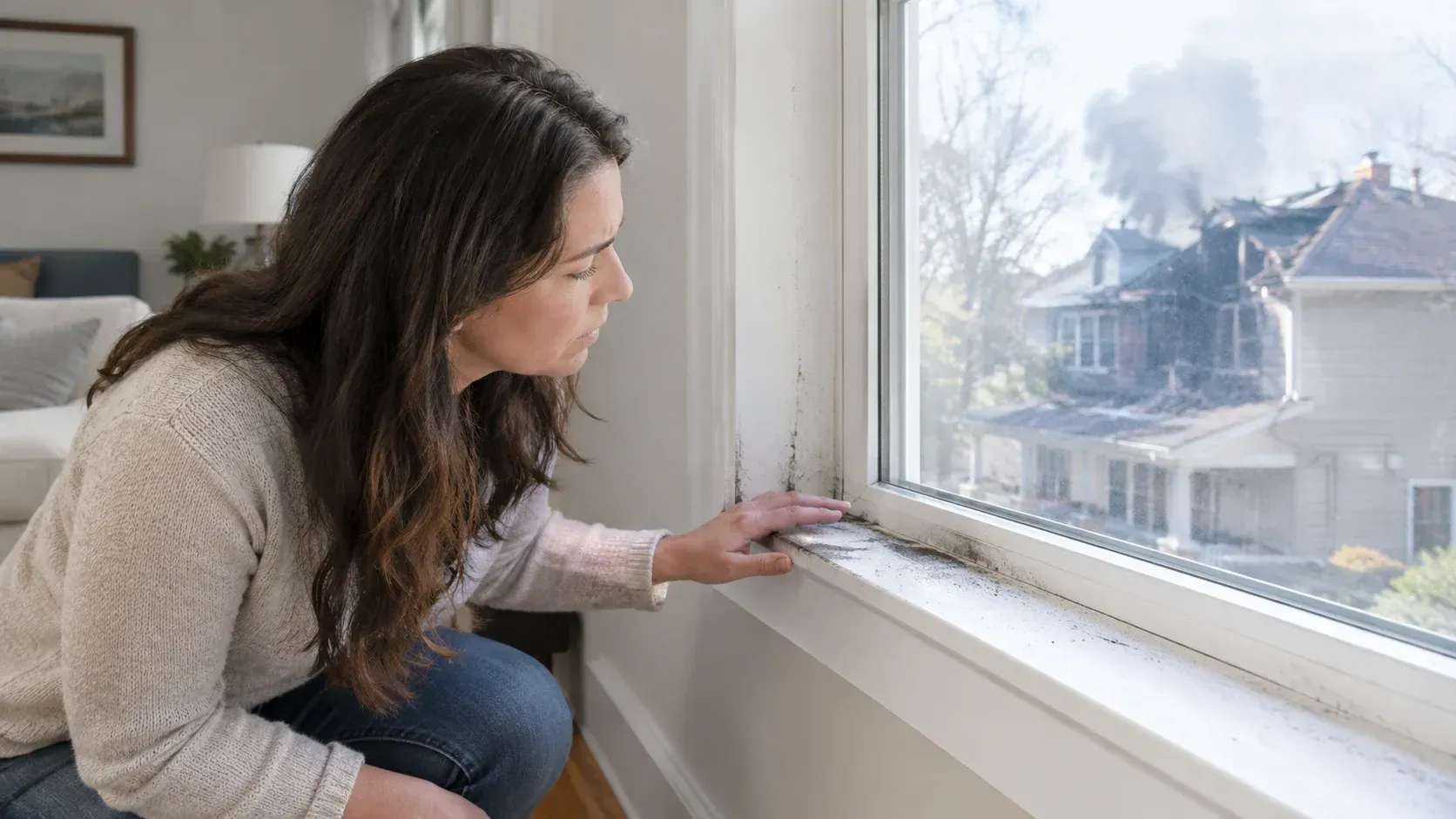
That last row in the table deserves attention. The mold that follows a covered water loss is frequently subject to a separate, much smaller sublimit, which is why slow drying after a burst pipe turns into a second problem.
The unoccupied-home row matters in Michigan in particular. Many policies require reasonable heat to be maintained or the plumbing drained, and a frozen pipe in a vacant property can run into that condition.
Why the Label on Your Claim Decides the Outcome
How a loss gets characterized early tends to determine what gets paid, and nobody tells the policyholder that.
If an adjuster records a basement loss as groundwater seepage and it was actually a failed supply line behind the wall, the claim can be denied on a category the facts do not support. If a storm produced both a roof leak and rising water, how the damage gets attributed between the two decides what part of it is covered.
This is where documentation does real work:
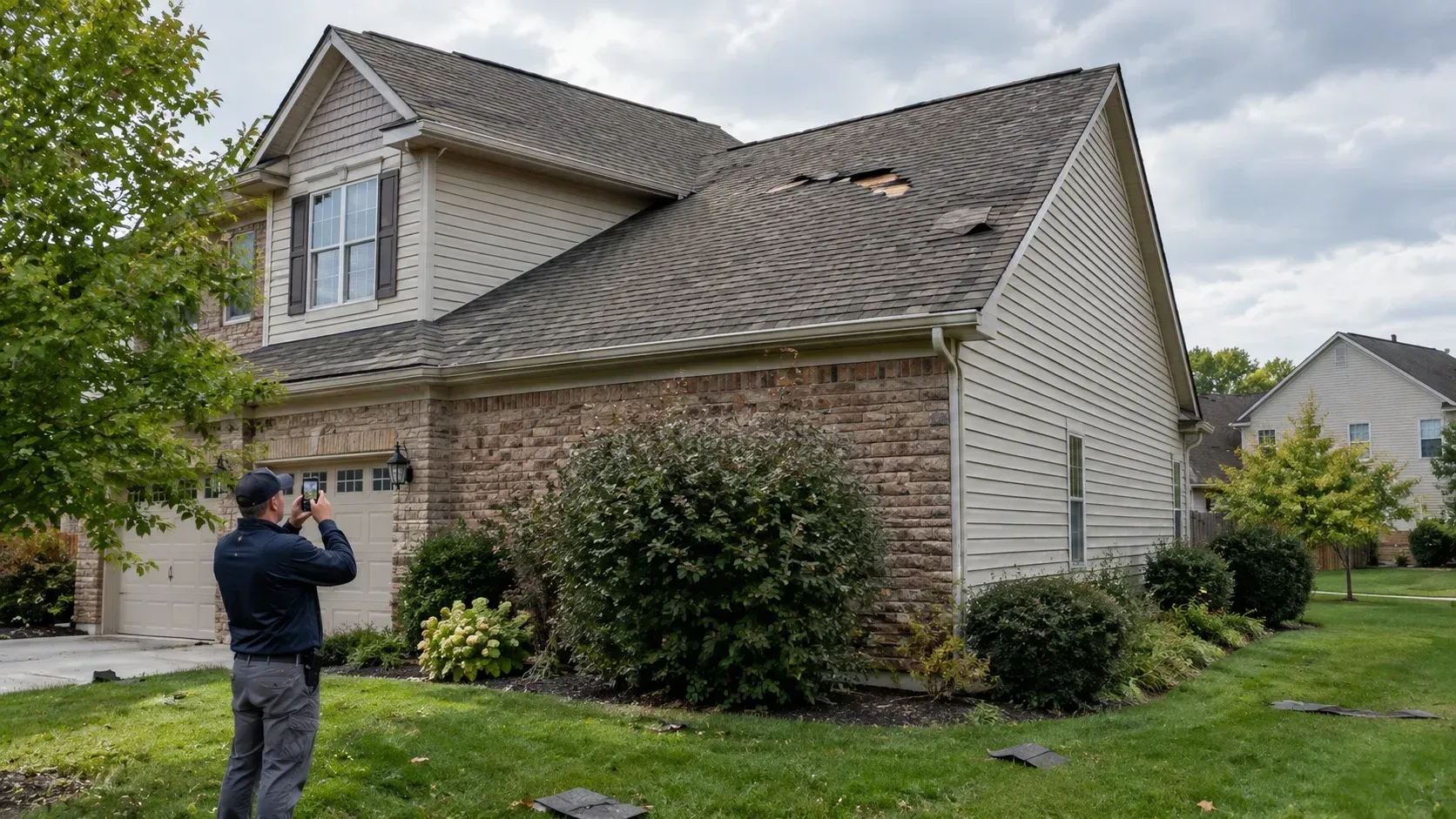
- Photograph the source, not only the damage
- Keep the failed section of pipe, the hose, or the fitting if it can be removed safely
- Note the time you discovered it and the time water was shut off
- Record whether it had rained, and how much, in plain language
- Save every receipt for emergency mitigation
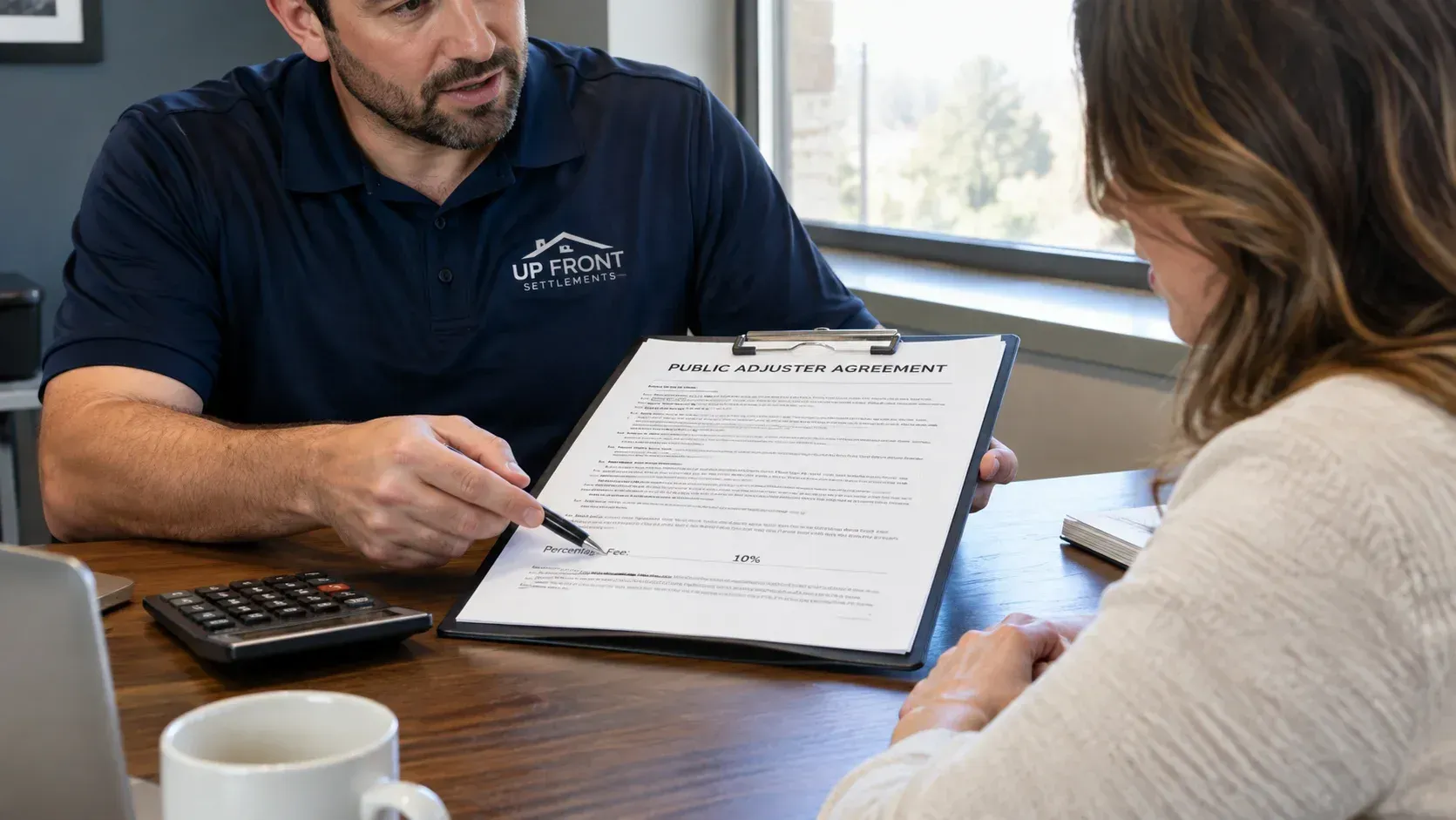
A public adjuster's job at this stage is reviewing the policy against the actual cause and preparing the claim accordingly. Up Front Settlements will "prepare, submit and negotiate your water damage claim," and across Troy and the surrounding communities that often starts with establishing which peril applies.
What to Do in the First 24 Hours
Stop the water, protect the property, and document before you clean up.
- Shut off the water at the source or the main, if it is safe to reach.
- Deal with electrical hazards first. Standing water near panels or outlets is not a DIY situation.
- Photograph and video everything before anything is moved or dried.
- Photograph the source specifically, including the failed component.
- Mitigate. Extract standing water and get air moving, since most policies require you to prevent further damage.
- Keep receipts for every fan, pump, hotel night, and contractor.
- Report the loss to your carrier promptly.
- Do not throw anything out until the damage has been documented.
Moving fast on mitigation matters for coverage as well as for the house. The company's frozen pipe guidance is direct about the risk: "If your insurance company believes you have delayed in your response, they can deny your entire claim."
Conclusion
The answer stays the same whichever way the water arrived: coverage follows the source. A pipe that failed suddenly inside the house is usually a covered loss, rising water from outside usually is not, and the slow leak nobody noticed for six months is often neither. Find out which flood coverage you carry before the season that needs it, document the source and not only the damage, and get the policy read against the actual cause rather than the adjuster's first impression.
Get Help Identifying Which Part of Your Policy Applies
If water has come into your home and you are not sure which coverage it falls under, that question is worth answering before the claim gets categorized for you. Up Front Settlements offers a free, no-obligation consultation, and Ed Benavides spent more than twenty years inside major insurance companies before founding the firm in 2011. Call (248) 841-5674 or send us the details of your water loss. As the firm puts it, if we do not believe our involvement in your claim will make a difference, we will tell you right up front.
Insurance Disclaimer
This article describes how standard homeowners policies commonly treat water and flood losses. It is not a statement about your policy, a determination of coverage, or legal advice. Policy forms, endorsements, exclusions, and sublimits differ by carrier and by policy, and your policy documents and carrier are the authority on what you are covered for. For questions about your specific loss, speak with a licensed professional about your own policy. Up Front Settlements is a public adjusting firm, not an insurance carrier or a law firm.
Frequently Asked Questions
Is a burst pipe covered by homeowners insurance?
Usually yes. Sudden and accidental discharge from plumbing is a peril most standard policies cover, subject to your deductible and policy terms. The common exceptions are gradual leaks that went unnoticed and frozen pipes in unoccupied homes where heat was not maintained.
Does homeowners insurance cover flood damage?
Generally no. The flood exclusion is standard on most homeowners forms. Rising water from outside the structure normally requires separate flood coverage through the National Flood Insurance Program or a private flood carrier, which often carries its own waiting period.
What is the difference between water damage and flood damage?
Source and direction. Water damage usually means water escaping from inside the home's systems, such as a burst pipe or failed appliance. Flood generally means surface water rising from outside. The same soaked drywall can fall under either, depending on where the water came from.
Why was my water damage claim denied?
Common reasons include the loss being categorized as gradual rather than sudden, as groundwater or flood rather than plumbing, as a sewer backup without that endorsement, or as a delayed response. Ask for the specific policy language the denial relies on.
Does insurance cover mold after a burst pipe?
Often only up to a limited amount. Mold following a covered water loss is frequently subject to its own sublimit rather than the full policy limit, which is one reason prompt drying and documented mitigation matter so much.