Does Homeowners Insurance Actually Cover Smoke Damage From a Neighbor's House Fire?
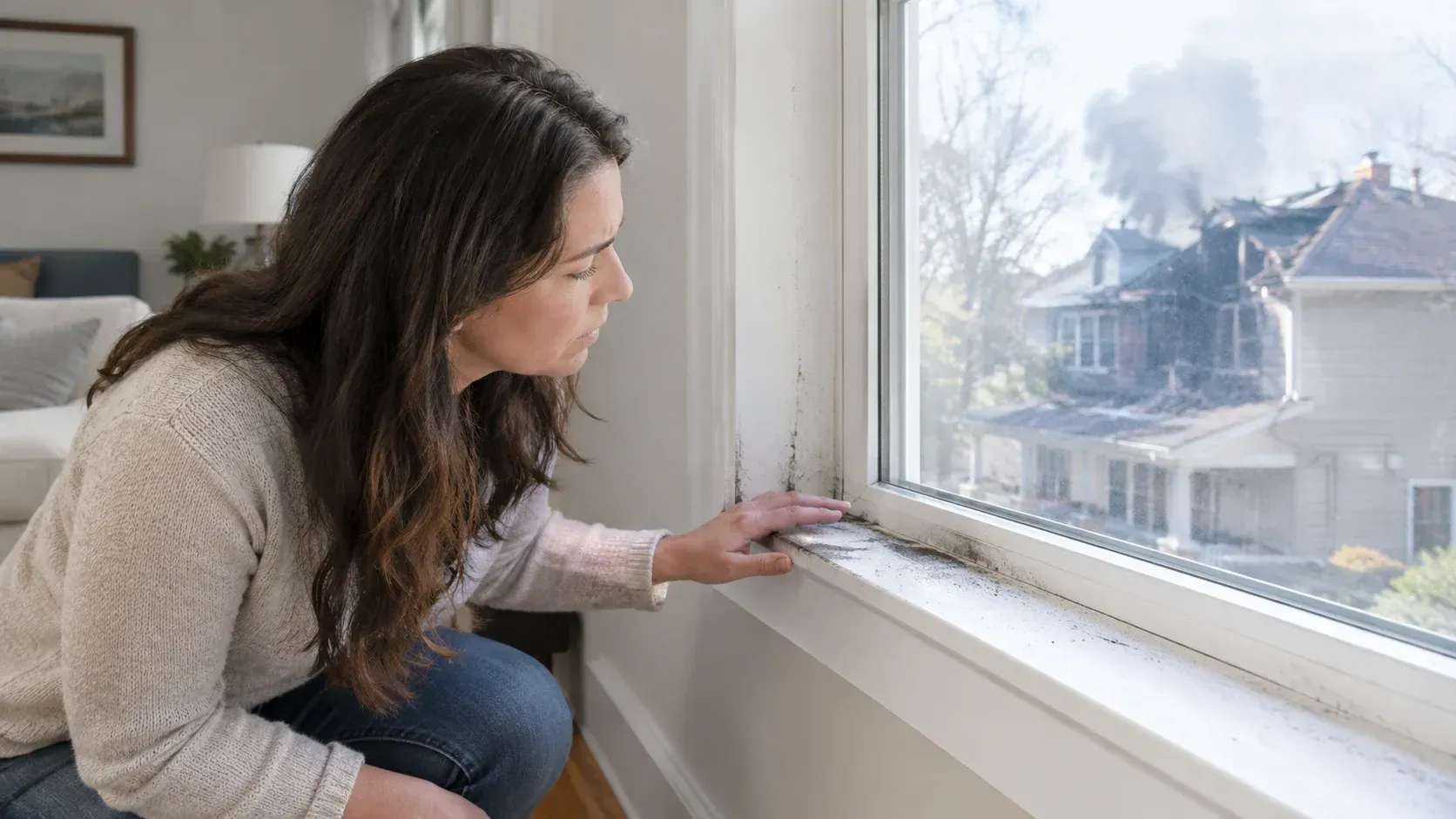
Table of Contents
- Introduction
- If a Neighbor's House Fire Damaged Your Home, Your Policy Pays
- Why This Is Your Claim and Not a Claim Against Your Neighbor
- Filing a Smoke Damage Claim From a Nearby Fire
- What Smoke and Soot Actually Reach
- Documenting Damage You Cannot See
- Where a Third Party Fire Smoke Claim Fits
- Conclusion
- Insurance Disclaimer
- Frequently Asked Questions
Key Takeaways
- Yes. Smoke or soot from a neighbor's fire that damages your property is generally covered under your own homeowners policy's fire and smoke peril.
- It is filed as your claim, with your carrier, under your deductible, rather than as a claim against your neighbor.
- Your insurer may later pursue the responsible party itself, which is a process that happens behind the scenes.
- Smoke travels into places a visual inspection misses, which is where these claims get underpaid.
- Odor alone, with no visible soot, is the hardest version of this claim to document and the one most often disputed.
Introduction
Yes. If smoke or soot from a neighbor's fire drifts onto your property and causes damage, that loss is generally covered under your own homeowners policy's fire and smoke peril, and it is filed as your claim rather than as a claim against your neighbor. Your house did not burn, but your policy still responds, because fire and smoke are a covered peril regardless of where the fire started.
That surprises people, and the surprise costs them time. Waiting to find out whether the neighbor's insurer will pay is the slowest possible route to getting your own home cleaned, and it is why a fire and smoke damage claim usually starts with your own carrier.
If a Neighbor's House Fire Damaged Your Home, Your Policy Pays
Your policy covers damage to your property from a covered peril, and it does not ask whose fire it was. That is the whole mechanism.
What that generally means in practice:
- Your dwelling coverage responds to smoke and soot damage to the structure
- Your contents coverage responds to damage to belongings, furnishings, and clothing
- Additional living expenses may apply if the home is not habitable during cleaning
- Your deductible applies, because it is your claim
- Firefighting water and foam that reached your property is often part of the same loss
The exterior gets overlooked. Siding, soffits, windows, outdoor furniture, a vehicle in the driveway, and landscaping can all take soot and heat exposure from a fire next door, and none of it is inside the house where people look first.
Why This Is Your Claim and Not a Claim Against Your Neighbor
Filing against your neighbor's liability coverage sounds logical and is usually the wrong first move. Here is why.
A liability claim against the neighbor requires establishing that they were legally responsible for the fire. That takes an investigation, often a cause-and-origin report, and sometimes a dispute about it. Meanwhile smoke is still sitting in your ductwork.
Your own first-party claim does not wait for any of that. It responds because a covered peril damaged your property, full stop. The question of fault gets sorted out afterward, by the insurers, and not on your timeline.
Two practical consequences:
- Report to your own carrier promptly rather than waiting to see what the neighbor's insurer says
- Do not sign anything presented by another party's adjuster or a restoration contractor before you understand what it commits you to.
If the neighbor's insurer does contact you, nothing stops you from talking to them. Just do not let that conversation delay your own claim.
Filing a Smoke Damage Claim From a Nearby Fire
Report it the same day if you can, and treat the whole property as potentially affected rather than only the side facing the fire.
The sequence that tends to work:
- Report the loss to your carrier and get a claim number.
- Photograph everything before any cleaning, including exterior surfaces and open closets.
- Do not run the HVAC system until it has been inspected, since that circulates soot further.
- Keep receipts for air purifiers, temporary lodging, cleaning, and anything you replace.
- Have the duct system inspected specifically, because it is both a damage location and a redistribution route.
- Hold off on disposing of damaged items until they have been inventoried.
- Be careful with early cleaning. Wiping soot the wrong way can drive it into porous surfaces and make professional restoration harder.
That last point is a real cost. Soot is acidic and fine, and dry wiping it across drywall or upholstery can set it. Document first, clean on professional advice second.
Up Front Settlements handles residential property claims across Oakland County and nearby communities, and the firm's own fire guidance is direct about scope: "related smoke, soot, firefighting water, and other resulting damage may be part of the claim," depending on the policy and circumstances.
What Smoke and Soot Actually Reach
Smoke goes further than the visible staining, which is exactly why these claims get underpaid.
| Where it goes | Why it gets missed |
|---|---|
| HVAC ducts and air handler | Nobody opens them during a walkthrough |
| Attic and insulation | Out of sight, and smoke rises |
| Inside closets and drawers | Doors were closed, so they look clean |
| Porous surfaces and upholstery | Odor without visible staining |
| Electronics and appliance interiors | Soot is conductive and corrosive |
| Wall cavities and outlet boxes | Smoke follows the same paths as air |
| Exterior siding, screens, and vehicles | Treated as cosmetic rather than damage |
The firm's own fire post makes the same point about how far it travels: "Smoke and soot can travel far beyond the burn site," and insurers may skip "smoke in your vents or water damage behind walls."
Odor is the category that generates the most disagreement. A room that smells of smoke with no measurable soot is harder to substantiate than a stained ceiling, and it is where an independent assessment carries the most weight.
Documenting Damage You Cannot See
Document the invisible damage the same way you document the visible kind, with records rather than assertions.
Worth gathering:
- Dated photos and video of every room, including inside closets and cabinets
- Photos of the neighboring structure showing proximity and the fire's direction
- A written inventory of affected contents, room by room
- The fire department's incident report, if available
- Weather and wind direction on the day, in plain language
- Any professional assessments of the ducts, attic, or contents
- Receipts for everything from the day of the fire onward
Keep a running log of who you spoke to and when. If the claim gets disputed later, the paper trail is what moves it, and the firm's FAQ page covers how the public adjusting process works alongside it.
Where a Third Party Fire Smoke Claim Fits
Your insurer may pursue the responsible party itself after paying your claim, through a process called subrogation. That happens in the background and does not require anything from you beyond cooperation.
What it can mean for you:
- If the recovery succeeds, your deductible is sometimes reimbursed
- It does not speed up or slow down your own settlement
- You are generally expected to cooperate with the investigation if asked
- It does not stop you from having your own questions answered
Where a direct third party fire smoke claim against the neighbor genuinely makes sense is narrower than people assume, usually involving losses your own policy does not cover at all. That is a question for an attorney licensed in Michigan rather than for a contractor, a neighbor, or an article.
For most households the practical answer stays the same. File your own claim, document thoroughly, and let the insurers settle responsibility between themselves. If the claim comes back short, that is the moment a public adjuster review earns its keep, and it is the same pattern the firm sees across Birmingham and the surrounding area.
Conclusion
Your policy responds to smoke from a neighbor's fire because the peril is covered, not because of where it started. File with your own carrier, do not wait on anyone else's investigation, and treat the ducts, attic, closets, and exterior as part of the loss rather than afterthoughts. The damage you cannot see is the part that gets left out of the first offer, and the only way to argue for it later is to have documented it before anybody started cleaning.
Insurance Disclaimer
This article describes how standard homeowners policies commonly treat smoke and fire losses. It is not a statement about your policy, a determination of coverage, or legal advice. Policy forms, endorsements, exclusions, and limits differ by carrier and by policy, and your policy documents and carrier are the authority on what you are covered for. Questions about liability, subrogation, or a claim against another party should go to an attorney licensed in Michigan. Up Front Settlements is a public adjusting firm, not an insurance carrier or a law firm.
Frequently Asked Questions
Does my insurance cover smoke damage if my house did not burn?
Generally yes. Fire and smoke are a covered peril on most standard homeowners policies, and the policy responds to damage to your property regardless of where the fire started. It is filed as your claim, with your deductible applying.
Should I file against my neighbor's insurance instead?
Usually not as your first move. A liability claim requires establishing that your neighbor was legally responsible, which takes an investigation. Your own first-party claim responds without waiting for that, and your insurer can pursue recovery afterward.
Will my premium go up for a claim that was not my fault?
Ask your carrier directly, since rating practices vary. Some carriers treat losses caused by an outside party differently than at-fault claims. It is a fair question to raise with your agent before filing, and a real one.
What if there is smoke odor but no visible soot?
That is the most disputed version of this claim. Document the odor by room, avoid cleaning before inspection, and have the ducts and porous materials professionally assessed. An independent evaluation carries more weight than a description.
Does insurance cover cleaning my air ducts after a nearby fire?
Often, when it is part of a covered smoke loss, though it depends on the policy and the documented damage. Have the system inspected before running it, since operating the HVAC can spread soot through the rest of the house.