Does Renters Insurance Actually Cover Water Damage to Your Belongings If the Building Owner Caused the Leak?

Key Takeaways
- Renters insurance generally covers personal belongings regardless of who caused the water damage, as long as the cause falls within the policy's covered perils
- A landlord's insurance typically covers the building structure, not a tenant's personal property, which is why separate renters coverage matters
- Proving the source and timeline of a leak can affect how smoothly a renters insurance claim moves forward
- Tenants may have the ability to pursue a claim against the landlord separately, depending on negligence and local landlord-tenant laws
- Documentation, including photos and a written notice to the landlord, plays a significant role in supporting any claim filed after water damage
Table of Contents
- Introduction
- How Renters Insurance Works When the Landlord Is at Fault
- What Renters Insurance Typically Covers
- Why the Landlord's Insurance Usually Doesn't Help You
- Determining Whether the Damage Is a Covered Peril
- Sudden Leaks vs Long-Term Maintenance Issues
- Steps to Take Immediately After Discovering Water Damage
- Filing a Renters Insurance Claim for Landlord-Caused Damage
- What Your Insurer May Ask For
- When You Might Also Have a Claim Against the Landlord
- Risks of Delaying Documentation or Notice
- Conclusion
- Frequently Asked Questions
Introduction
Renters insurance generally does cover water damage to personal belongings even when the building owner caused the leak, as long as the damage falls under the policy's listed covered perils and isn't the result of excluded circumstances like long-term neglect. This matters because many tenants assume a landlord's negligence automatically shifts financial responsibility onto the landlord's insurance, which usually isn't the case. For renters trying to understand their options after a leak, reviewing renters insurance coverage is a useful starting point before assuming who is financially responsible for what.
Water damage from a leaking pipe, a failed water heater, or a roof issue above a rental unit can happen with little warning, and it can affect everything from furniture to electronics to important documents. In Denver and across Colorado, where older buildings and seasonal freeze-thaw cycles contribute to plumbing issues, this situation isn't uncommon. Understanding how renters insurance responds, and where its coverage stops, helps tenants navigate the claims process with more clarity.
How Renters Insurance Works When the Landlord Is at Fault
Renters insurance is built around protecting the tenant's personal property and liability, not the condition or structure of the building itself. Fault generally isn't the deciding factor in whether a renter's policy pays out. What matters more is whether the cause of the damage is listed as a covered peril in the policy.
What Renters Insurance Typically Covers
Most standard renters insurance policies include coverage for personal belongings damaged by water from sources like burst pipes, overflowing appliances, or sudden plumbing failures. This can include furniture, clothing, electronics, and other personal items damaged in the incident. Some policies also include additional living expenses if the unit becomes temporarily uninhabitable.
Coverage limits and specific inclusions vary by insurer and policy tier, so the exact scope depends on what was purchased. A renter with a basic policy may have different coverage than someone who added endorsements for higher-value items.
Why the Landlord's Insurance Usually Doesn't Help You
A landlord's property insurance is designed to protect the physical building, the structure, fixtures, and sometimes landlord-owned appliances. It isn't designed to cover a tenant's personal belongings. This is one of the most common misunderstandings renters have, since it seems logical that if the landlord caused the problem, the landlord's insurance should pay for everything affected.
In practice, the landlord's insurer typically only becomes involved in a tenant's losses if there's a liability claim filed separately, which is a different process than a renter's own property claim.
Determining Whether the Damage Is a Covered Peril
Not every type of water damage is treated the same way under a renters policy. The distinction often comes down to how suddenly the damage occurred and whether it resulted from an unexpected event or ongoing disrepair.
Sudden Leaks vs Long-Term Maintenance Issues
A pipe that bursts suddenly is generally treated differently than water damage that built up slowly over months due to an unaddressed leak. Many policies exclude damage caused by what insurers describe as "wear and tear" or a failure to maintain the property, even if that failure falls on the landlord rather than the tenant.
This is particularly relevant in situations involving frozen pipes and ice dams, where the line between a sudden event and a maintenance issue can be harder to define. A pipe that froze and burst overnight is usually treated as sudden. A slow leak that went unaddressed for weeks may raise more questions during the claims review.
Steps to Take Immediately After Discovering Water Damage
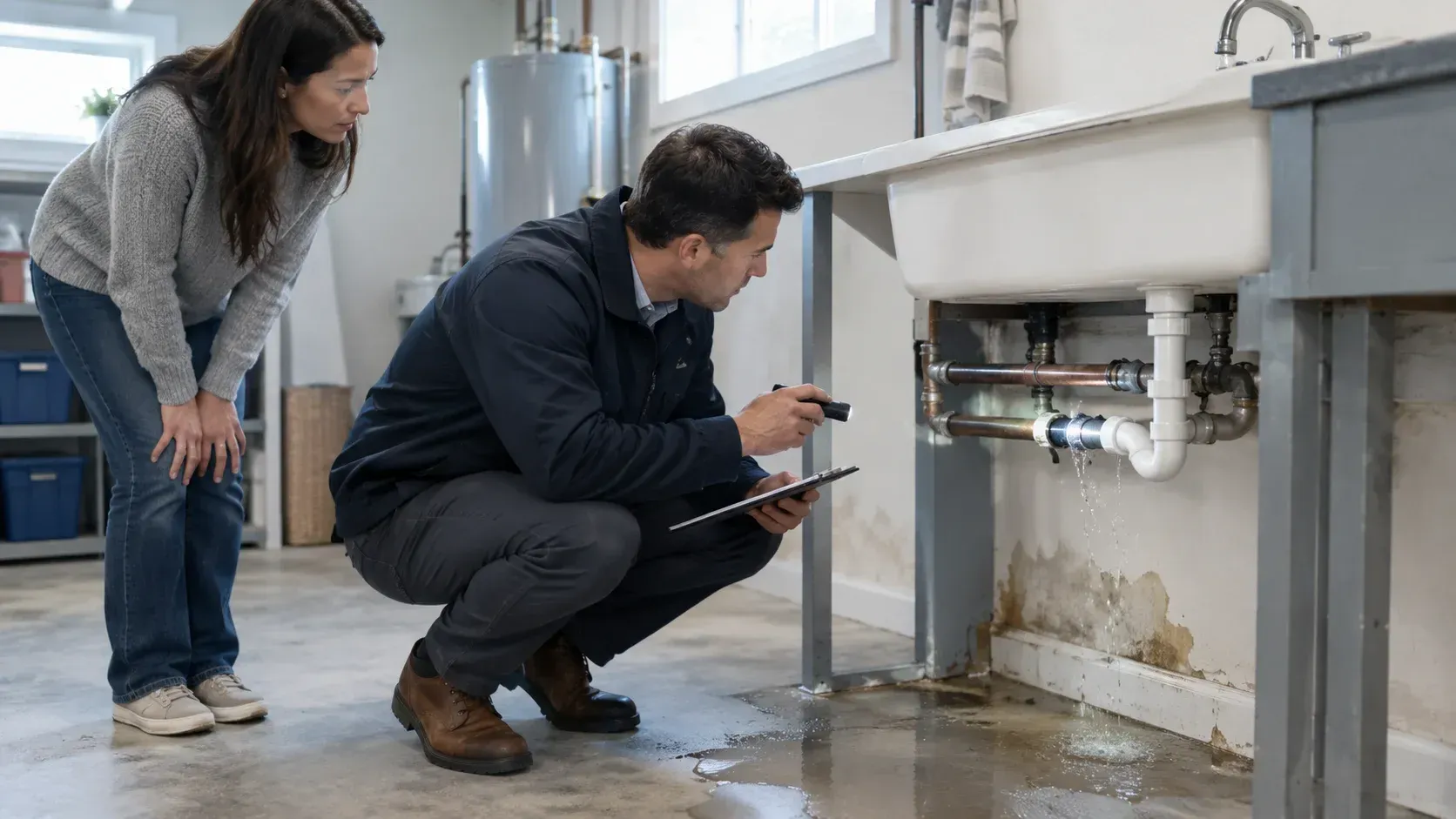
The actions taken in the first hours and days after discovering water damage can affect both a renters insurance claim and any potential conversation with the landlord. Photographing the damage before cleaning anything up creates a baseline record. Noting the date and time the damage was discovered, along with any visible source of the leak, adds useful detail to that record.
Notifying the landlord in writing, even if a phone call happens first, creates a timestamped record of when the issue was reported. Keeping damaged items, when safely possible, rather than disposing of them immediately can also help during the claims review process.
Filing a Renters Insurance Claim for Landlord-Caused Damage
Filing a renters insurance claim generally follows the same steps regardless of who caused the underlying issue. The insurer will typically ask for details about the incident, supporting documentation, and a list of damaged items.
What Your Insurer May Ask For
Insurers commonly request photos of the damage, a written list of affected belongings with estimated value, and any communication with the landlord regarding the cause of the leak. Receipts or proof of purchase for higher-value items can help support the claimed value, though many insurers also accept reasonable estimates when receipts aren't available.
The insurer may also ask whether the tenant notified the landlord promptly, since delayed notice can sometimes complicate how a claim is reviewed.
When You Might Also Have a Claim Against the Landlord
In some situations, a tenant may have grounds to pursue a separate claim against the landlord, particularly if the water damage resulted from documented negligence, such as an ignored repair request. This is generally treated as a liability matter rather than a straightforward insurance claim, and it often involves different evidence requirements than a renters policy claim.
Local landlord-tenant laws in Colorado outline specific responsibilities landlords have regarding habitability and timely repairs. Whether a particular situation meets the threshold for landlord liability depends heavily on the specific facts, including prior notice given to the landlord and how quickly they responded.
Risks of Delaying Documentation or Notice
Waiting too long to document damage or notify the landlord can create gaps in the record that make a claim harder to support later. If cleanup happens before photos are taken, it becomes difficult to establish the extent of the original damage. If notice to the landlord is delayed, it may be unclear whether the damage worsened due to inaction after the fact.
This doesn't mean a claim can't move forward without perfect documentation, but thorough records generally make the review process more straightforward for everyone involved.
Conclusion
Renters insurance typically responds to water damage based on the type of peril involved, not strictly on who caused it, which means a landlord's negligence doesn't automatically disqualify a renter's own policy from covering personal belongings. At the same time, a landlord's insurance generally won't cover a tenant's property, and separate liability claims against a landlord involve a different process altogether. Understanding these distinctions, along with the importance of prompt documentation, helps renters approach water damage situations with a clearer sense of what to expect.
If you're a renter or property owner trying to sort through a water damage situation and want general guidance on how the process typically works, you can contact us here to talk through your specific circumstances. This is offered as informational support only, without any promise of a particular outcome, to help you ask the right questions as you move forward.
Frequently Asked Questions
Does renters insurance cover water damage caused by a landlord's negligence?
Generally yes, as long as the cause of the damage falls under a covered peril in the policy. Fault typically isn't the determining factor for a tenant's own claim.
Will the landlord's insurance pay for my damaged belongings?
Usually not directly. A landlord's policy is designed to cover the building structure, not a tenant's personal property, unless a separate liability claim is pursued.
What if I don't have receipts for my damaged belongings?
Many insurers accept reasonable estimates of value when receipts aren't available, though documentation like photos or purchase history can help support the claim.
Is slow, long-term water damage covered the same way as a sudden leak?
Not always. Many policies distinguish between sudden events and damage from long-term maintenance issues, and exclusions may apply to the latter.
Can I file a claim against my landlord separately from my renters insurance claim?
In some cases, yes, particularly if the damage resulted from documented negligence. This generally involves a different process than a standard insurance claim.
How quickly should I notify my landlord after discovering a leak?
Notifying the landlord as soon as possible, ideally in writing, helps create a timestamped record that may be useful if questions arise later in the process
Does renters insurance cover temporary housing if my unit becomes unlivable?
Some policies include additional living expenses coverage for this situation, though the specific terms and limits depend on the individual policy.