Can a Public Adjuster Help If Your Insurance Claim Was Denied in Birmingham, Michigan?
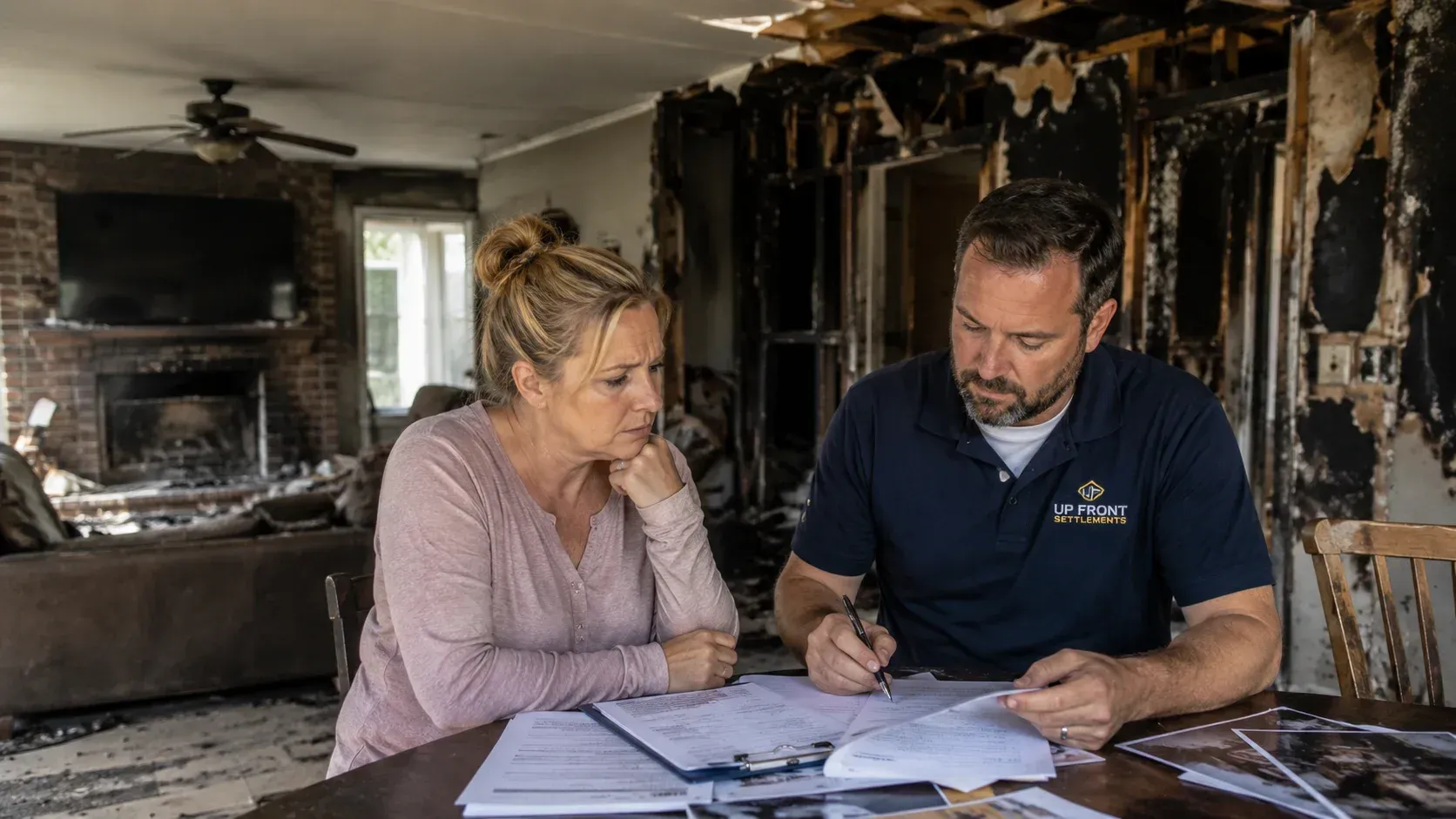
Table of Contents
- Introduction
- The Short Answer for Birmingham Property Owners
- Common Reasons Insurance Claims Get Denied
- What a Public Adjuster Does With a Denied Claim
- When a Denial Can Be Challenged, and When It Cannot
- Reviewing Your Policy and the Denial Letter
- Deadlines and Options in Michigan
- Conclusion
- Book a Strategy or Discovery Call
- Frequently Asked Questions
Key Takeaways
- A public adjuster can review a denied insurance claim, identify why it was denied, and pursue reconsideration when the denial appears to rest on incomplete information or documentation gaps.
- Not every denial can be reversed. A claim denied because of a genuine policy exclusion or a missed deadline may stand regardless of who reviews it.
- Reading the denial letter carefully is the first step, because insurers are required to state the specific reason for the denial in writing.
- A public adjuster represents the policyholder, not the insurance company, and can re-document the loss and handle negotiations.
- Michigan sets deadlines for disputing a claim, so acting promptly after a denial matters.
Introduction
Yes, a public adjuster can often help after an insurance claim is denied in Birmingham, Michigan, by reviewing the denial, finding out why it happened, and pursuing reconsideration when the reason points to incomplete documentation or a misunderstanding of the loss. That said, not every denial can be overturned, and a claim denied because of a real policy exclusion or a missed deadline may hold up no matter who looks at it.
A denial is not always the final word, which surprises a lot of property owners. Insurers deny claims for many reasons, and some of those reasons can be addressed with better information. Understanding the difference between a fixable denial and a firm one is what helps you decide your next move.
This guide explains why claims get denied, what a public adjuster actually does with a denied claim, and the limits of what anyone can do once a denial is on the table.
The Short Answer for Birmingham Property Owners
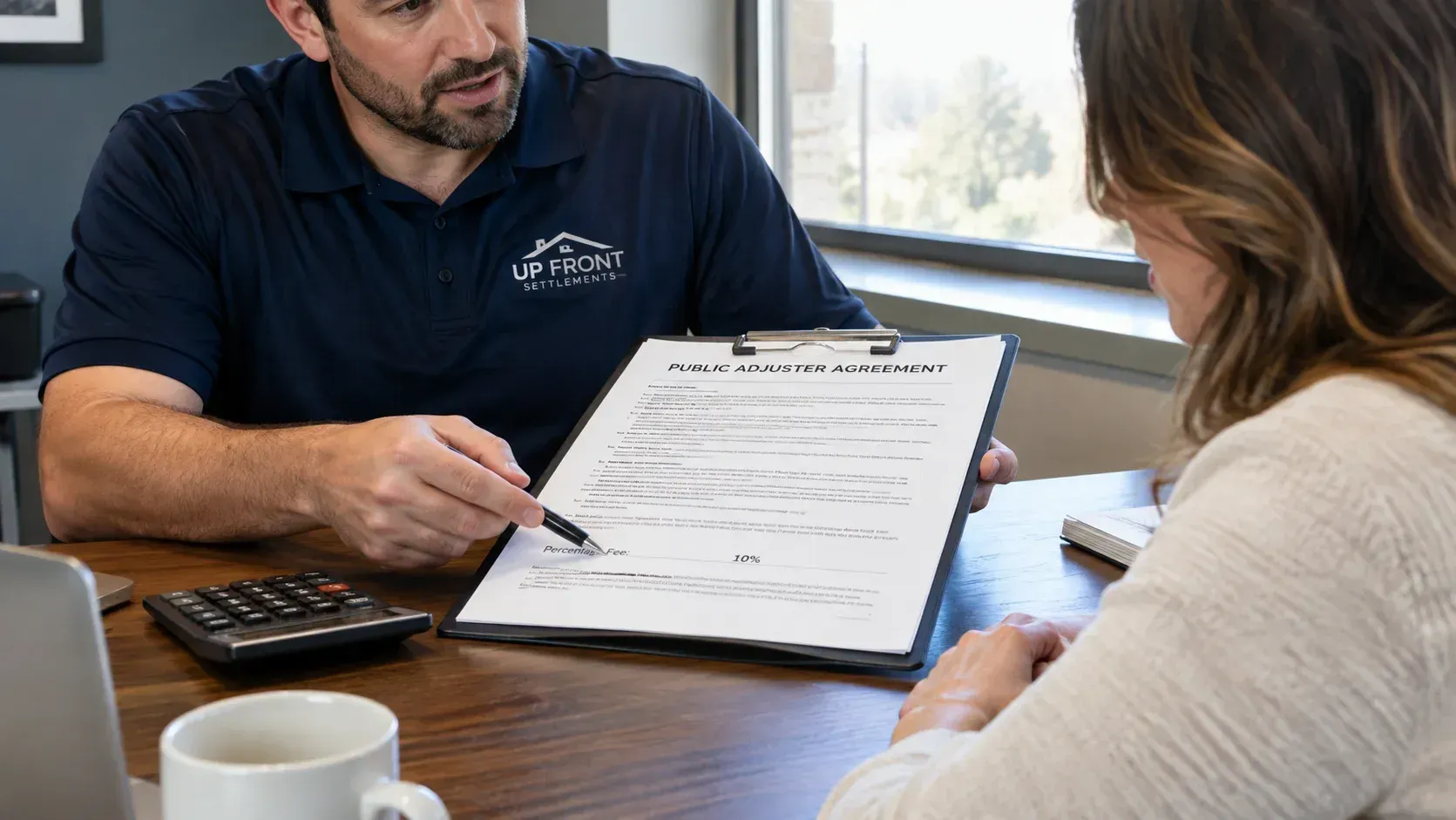
A public adjuster is licensed by Michigan's Department of Insurance and Financial Services to represent policyholders. When a claim has been denied, they review the denial letter and the policy side by side to pin down the stated reason, then re-inspect and re-document the loss to identify what the original claim may have missed.
If the evidence supports it, the adjuster prepares a response that addresses the specific reason for denial and reopens negotiation with the insurer. The goal is a claim built on complete, accurate documentation rather than an appeal based on frustration.
Not every denial is fixable. A denial grounded in a clear policy exclusion, a lapsed policy, or a missed deadline is harder to move. An honest evaluation early on tells you which situation you are in.
Common Reasons Insurance Claims Get Denied
Denials usually come down to a handful of causes. Knowing which one applies to you shapes everything that follows.
Insufficient Documentation
This is one of the most common and most fixable reasons. If the claim did not include enough photos, estimates, or proof of the loss, the insurer may deny it for lack of support rather than because the damage was not covered.
Policy Exclusions
Every policy lists what it does not cover. Flood damage, for example, is typically excluded from a standard homeowner policy. If the loss falls under a written exclusion, the denial reflects the policy itself, which is far harder to challenge.
Missed Deadlines or Late Reporting
Policies require prompt notice of a loss and a proof of loss within a set time. A claim reported too late, or a proof of loss filed after the deadline, can be denied on those grounds alone.
Disputes Over Cause
Insurers sometimes deny claims because they attribute the damage to a non-covered cause, such as long-term wear, neglect, or a pre-existing condition, rather than a sudden covered event. These denials often turn on evidence and interpretation.
What a Public Adjuster Does With a Denied Claim
A public adjuster is licensed by Michigan's Department of Insurance and Financial Services to represent policyholders. When a claim has been denied, their work generally follows a few steps.
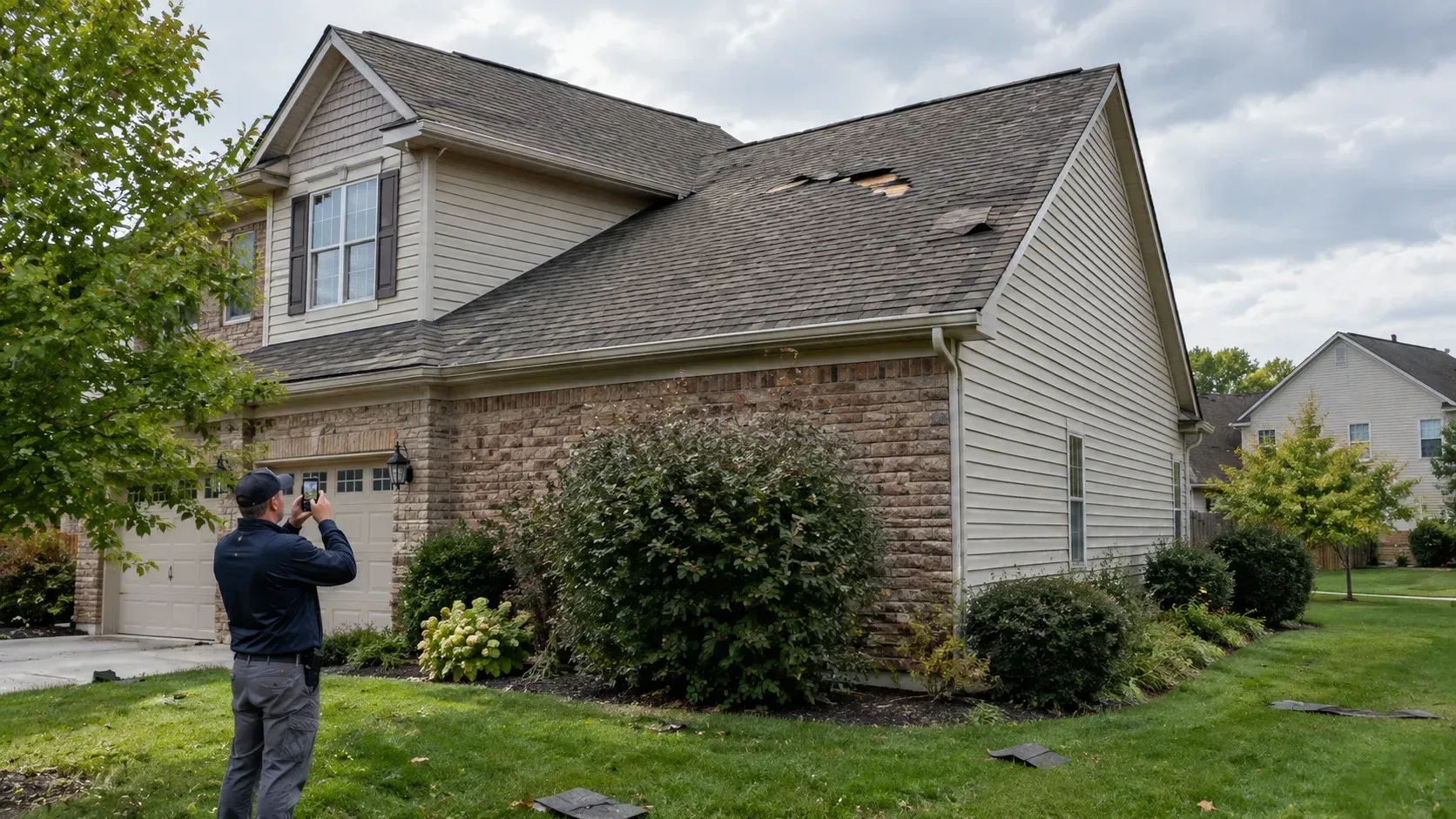
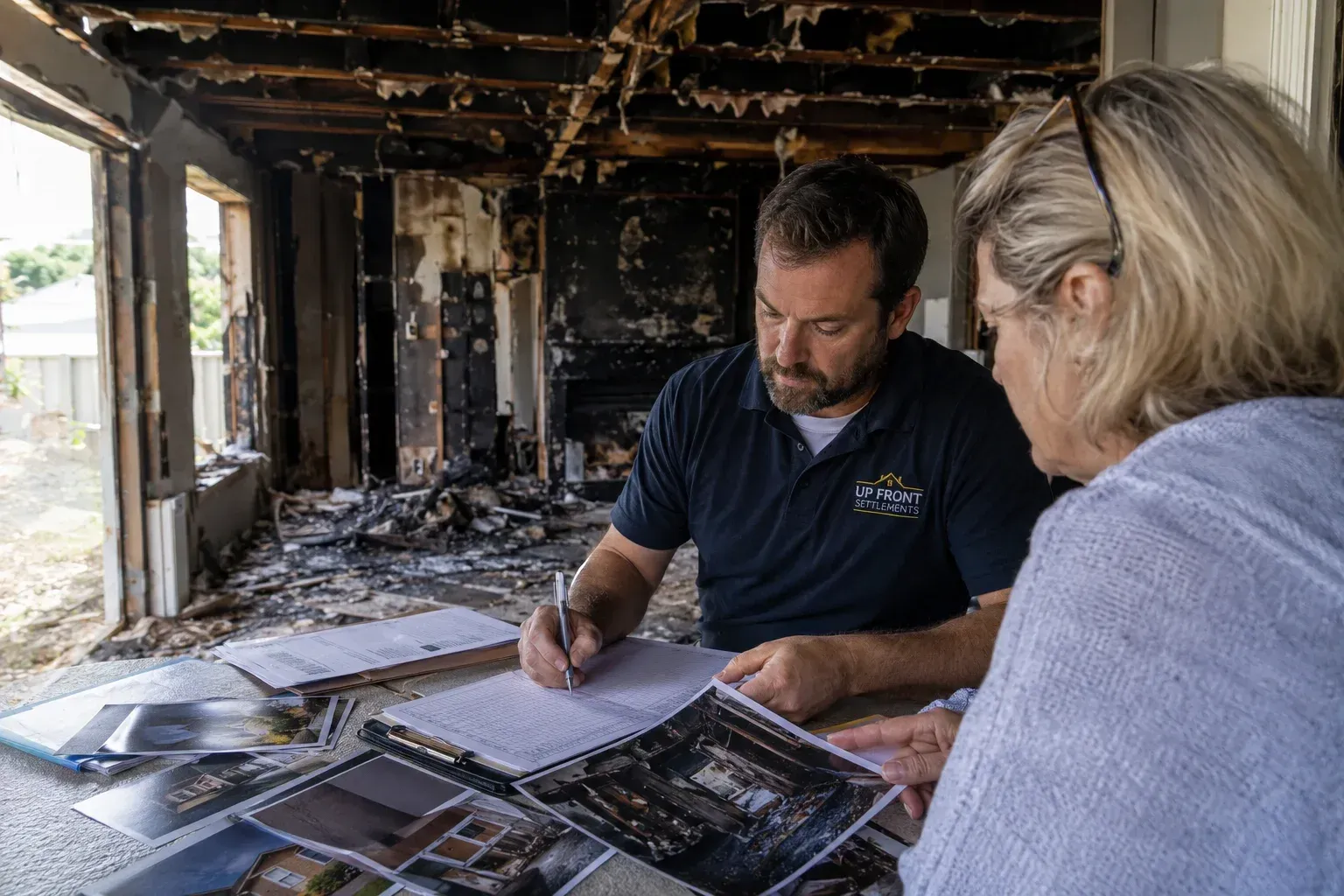
First, they read the denial letter and the policy side by side to pin down the stated reason. Then they re-inspect and re-document the loss, often finding damage or costs the original claim missed. This is where insurers get uneasy, and this article on why public adjusters make insurance companies nervous explains the dynamic.
From there, if the evidence supports it, the adjuster prepares a response that addresses the specific reason for denial and reopens negotiation with the insurer. The goal is a claim built on complete, accurate documentation rather than an appeal based on frustration.
When a Denial Can Be Challenged, and When It Cannot
It helps to be realistic here. A public adjuster is not a way around the terms of your policy.
Denials that can often be challenged include those based on insufficient documentation, disputed cause of loss, undervaluation, or errors in the insurer's inspection. These are situations where new evidence can genuinely change the picture.
Denials that usually stand include those based on clear policy exclusions, coverage that lapsed for non-payment, or deadlines that have already passed. No amount of documentation rewrites what the policy says or restores a deadline that is gone.
An honest evaluation early on saves time. A good public adjuster will tell you when a denial looks challengeable and when it does not, rather than taking on a claim that cannot move.
Reviewing Your Policy and the Denial Letter
Under Michigan regulations, an insurer must give a reasonable written explanation when it denies a claim. That letter is your starting point. Read it closely and find the exact provision the insurer relied on.
Then pull out your policy and read that provision yourself. Sometimes the denial rests on a reading of the policy that the facts do not support, such as calling storm damage "wear and tear." Other times the letter points to a legitimate exclusion, and the matter is settled.
Watch for signs that a claim was handled unfairly, such as vague reasons, shifting explanations, or an inspection that seemed rushed. This overview of insurance company red flags covers patterns worth knowing about, though not every low offer or denial reflects bad faith.
Deadlines and Options in Michigan
Time matters after a denial. Most Michigan property policies limit how long you have to file suit, often one year from the date of loss, though the policy controls and some allow more. That clock usually keeps running even while you dispute the denial.
You generally have a few paths. You can supplement the claim with additional documentation and ask the insurer to reconsider. You can invoke appraisal if the dispute is about the amount rather than coverage. You can file a complaint with Michigan DIFS. Or you can consult an attorney, which is the right step when the dispute is legal rather than factual.
A public adjuster can help with the documentation and negotiation paths but does not provide legal representation. Knowing which path fits your situation is part of making an informed decision.
Conclusion
A public adjuster can help after a denied insurance claim in Birmingham, Michigan when the denial stems from incomplete documentation, a disputed cause of loss, or an undervalued assessment. In those cases, re-documenting the loss and reopening negotiation can change the outcome. When a denial reflects a genuine exclusion, a lapsed policy, or a missed deadline, it is more likely to stand.
The most useful first steps are the same for everyone: read the denial letter carefully, compare it to your policy, and act before your deadlines pass. Understanding both what a public adjuster can do and what they cannot is what puts you in a position to make a sound, informed decision about your next move.
Book a Strategy or Discovery Call
If your insurance claim was denied in Birmingham or elsewhere in the Rochester area and you are unsure what your options are, a short discovery call can help you make sense of the denial letter and understand the paths available to you. There is no cost and no obligation. The aim is simply to give you clear information so you can decide what to do next. You can arrange a time through the contact page.
Frequently Asked Questions
Can a public adjuster reverse a denied insurance claim?
A public adjuster cannot guarantee a reversal, but they can review the denial, re-document the loss, and pursue reconsideration when the denial rests on incomplete information rather than a firm policy exclusion.
What should I do first after my claim is denied?
Read the denial letter to find the specific reason, then compare it to your policy. Understanding why the claim was denied determines whether it can be challenged and what your options are.
How long do I have to dispute a denied claim in Michigan?
Deadlines are set by your policy. Many Michigan property policies limit the time to file suit to one year from the date of loss, so review your policy and act promptly after a denial.
Can a claim denied for a policy exclusion still be challenged?
Usually not, if the exclusion clearly applies to the loss. A public adjuster can confirm whether the exclusion the insurer cited actually fits the facts of your claim.
Does a public adjuster provide legal help with a denied claim?
No. Public adjusters handle documentation and negotiation, not legal representation. If a denial involves a legal dispute or possible bad faith, consulting an attorney is the appropriate step.
What is the difference between a public adjuster and the insurance company's adjuster?
The insurer's adjuster works for the insurance company. A public adjuster is licensed to represent the policyholder and works on your behalf when evaluating and negotiating a claim.
Can I file a complaint if I think my claim was denied unfairly?
Yes. You can file a complaint with the Michigan Department of Insurance and Financial Services (DIFS), which oversees insurers operating in the state.