How Long Does a Public Adjuster Claim Take to Settle in Rochester, Michigan?
Key Takeaways
- Most public adjuster claims in Rochester, Michigan settle within 30 to 90 days, though complex or disputed claims can take six months or longer.
- The size of the loss, the quality of documentation, and how quickly the insurance company responds all affect the timeline.
- Michigan does not set one fixed deadline for settling property claims, so timelines vary from one claim to the next.
- A public adjuster handles inspections, paperwork, and negotiations, which can reduce delays caused by missing or incomplete information.
- Policyholders can help keep a claim moving by reporting damage early, saving records, and responding to requests promptly.
Table of Contents
- The Short Answer for Rochester Policyholders
- What a Public Adjuster Claim Settlement Involves
- A General Timeline from Filing to Settlement
- Factors That Affect How Long a Claim Takes
- Michigan Rules That Shape the Timeline
- How Policyholders Can Help Keep a Claim on Track
- Conclusion
- Book a Strategy or Discovery Call
- Frequently Asked Questions
Introduction
A public adjuster claim in Rochester, Michigan usually takes somewhere between 30 and 90 days to settle, counted from the date the claim is filed. Straightforward losses with clear documentation often resolve near the shorter end, while large fires, disputed damage, or underpaid claims that need renegotiation can stretch to six months or more.
That range is wide, and the reason is simple. No two claims involve the same damage, the same policy language, or the same insurance company. If you own a home or commercial building in Rochester, knowing what drives the timeline helps you plan repairs, budget for temporary housing or lost business income, and decide when it makes sense to bring in help.
This guide walks through the stages of a public adjuster claim settlement, the factors that speed it up or slow it down, and the Michigan rules that apply along the way.
What a Public Adjuster Claim Settlement Involves
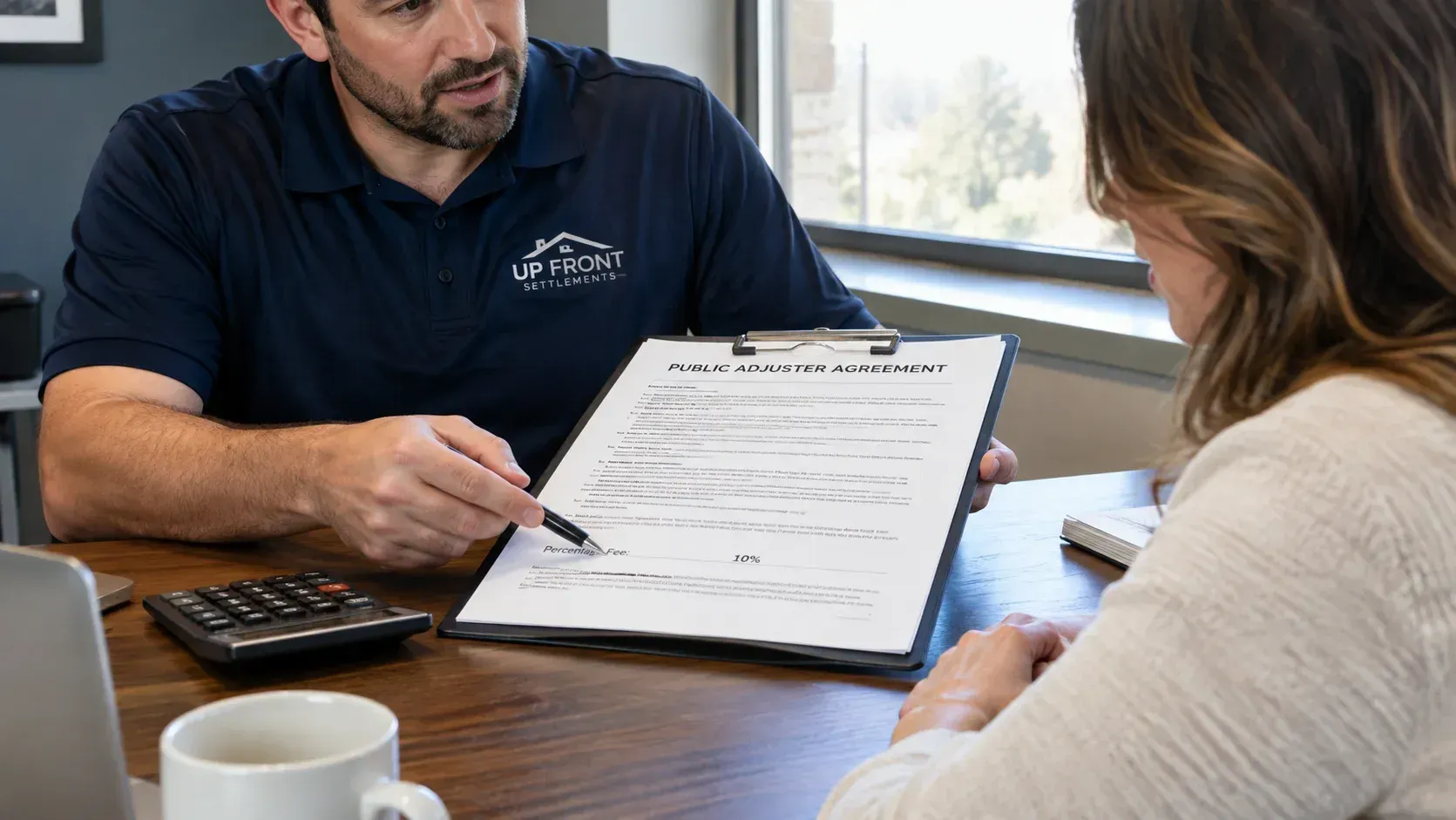
A public adjuster is a licensed professional who works for the policyholder, not the insurance company. Michigan licenses public adjusters through the Department of Insurance and Financial Services (DIFS), and their job is to document the loss, prepare the claim, and negotiate with the insurer on your behalf.
That role matters for the timeline. The insurance company sends its own adjuster, who evaluates the damage from the insurer's side. A public adjuster builds an independent estimate, which often takes more time up front but can shorten the back-and-forth later, because the claim arrives complete instead of trickling in piece by piece.
If you want a fuller explanation of the role itself, this overview of a public adjuster covers what they do and when policyholders tend to hire one.
A General Timeline from Filing to Settlement
Every claim moves through roughly the same stages. The length of each stage varies, but the order stays consistent.
Days 1 to 7: Reporting and First Inspection
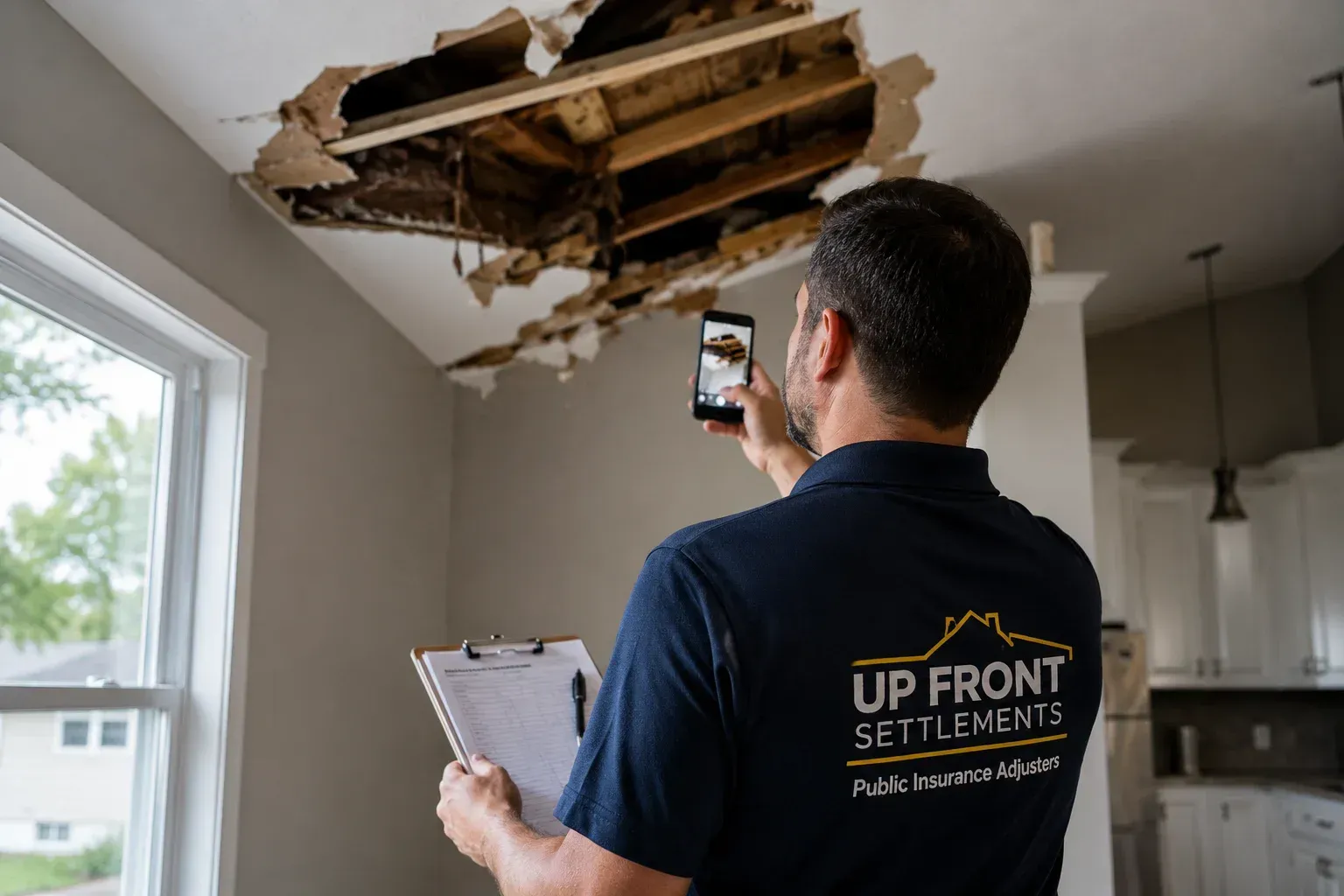
The claim starts when the loss is reported to the insurance company. In this first week, the public adjuster reviews your policy, photographs the damage, and begins an inventory of what was lost or destroyed. Emergency steps like tarping a roof or shutting off water also happen now.
Weeks 2 to 4: Documentation and Estimating
This is usually the longest hands-on stage. The adjuster measures the damage, prices repairs using local Rochester and Oakland County labor and material costs, and assembles receipts, contractor bids, and inventory lists. For residential claims, this may also include living expense records if the home is not livable.
Weeks 3 to 6: Insurance Company Review
The insurer reviews the submitted claim and compares it against its own inspection. The company may ask for more records, send a second adjuster, or request an examination under oath in larger losses. Response speed here is largely outside the policyholder's control.
Weeks 6 to 12: Negotiation and Settlement
If the insurer's offer differs from the documented estimate, negotiation begins. The two sides exchange revised figures and supporting evidence until they reach agreement. Once a settlement is accepted, Michigan insurers generally issue payment within 30 to 60 days, and many pay sooner.
Factors That Affect How Long a Claim Takes
Severity and Type of Damage
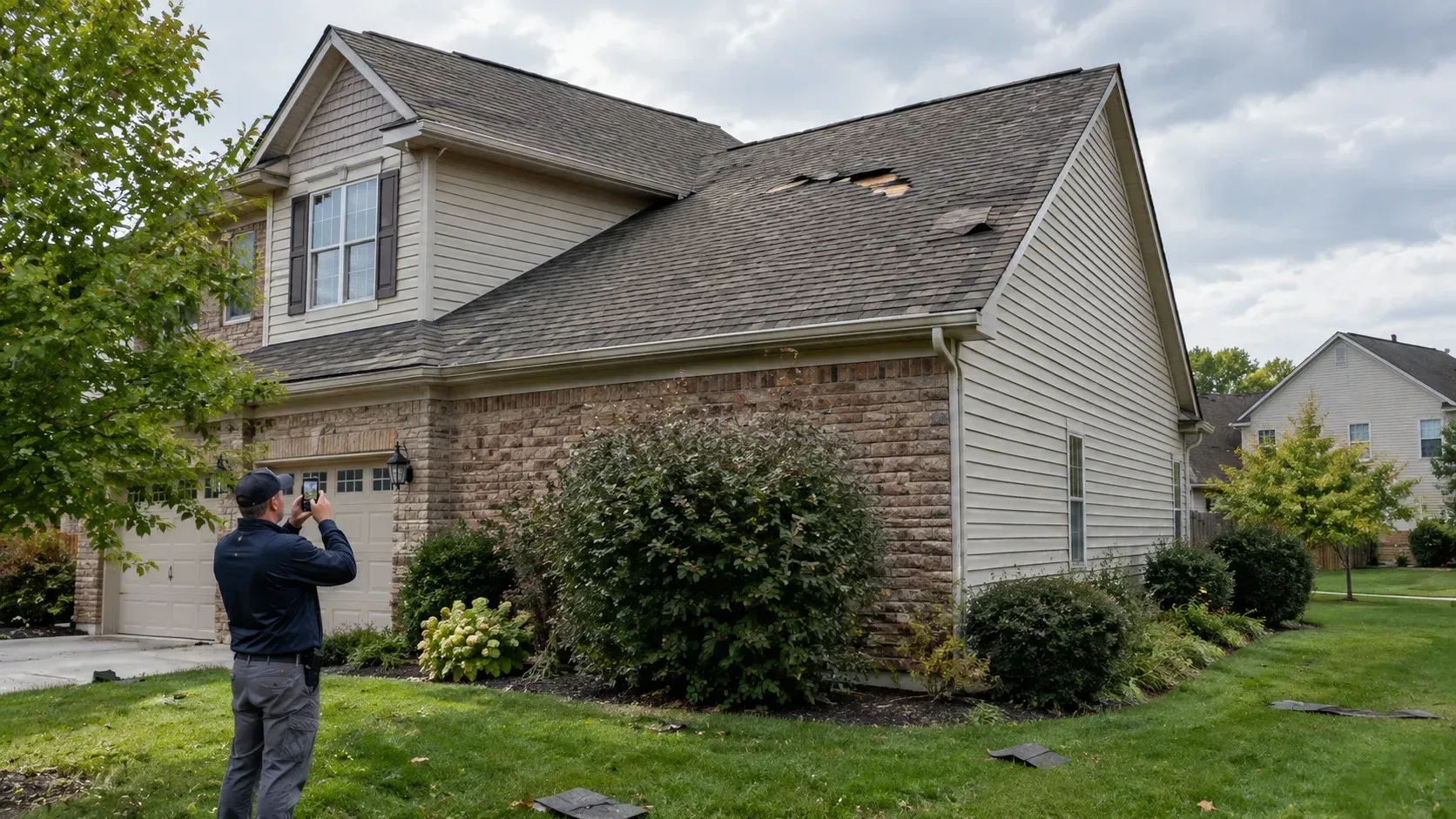
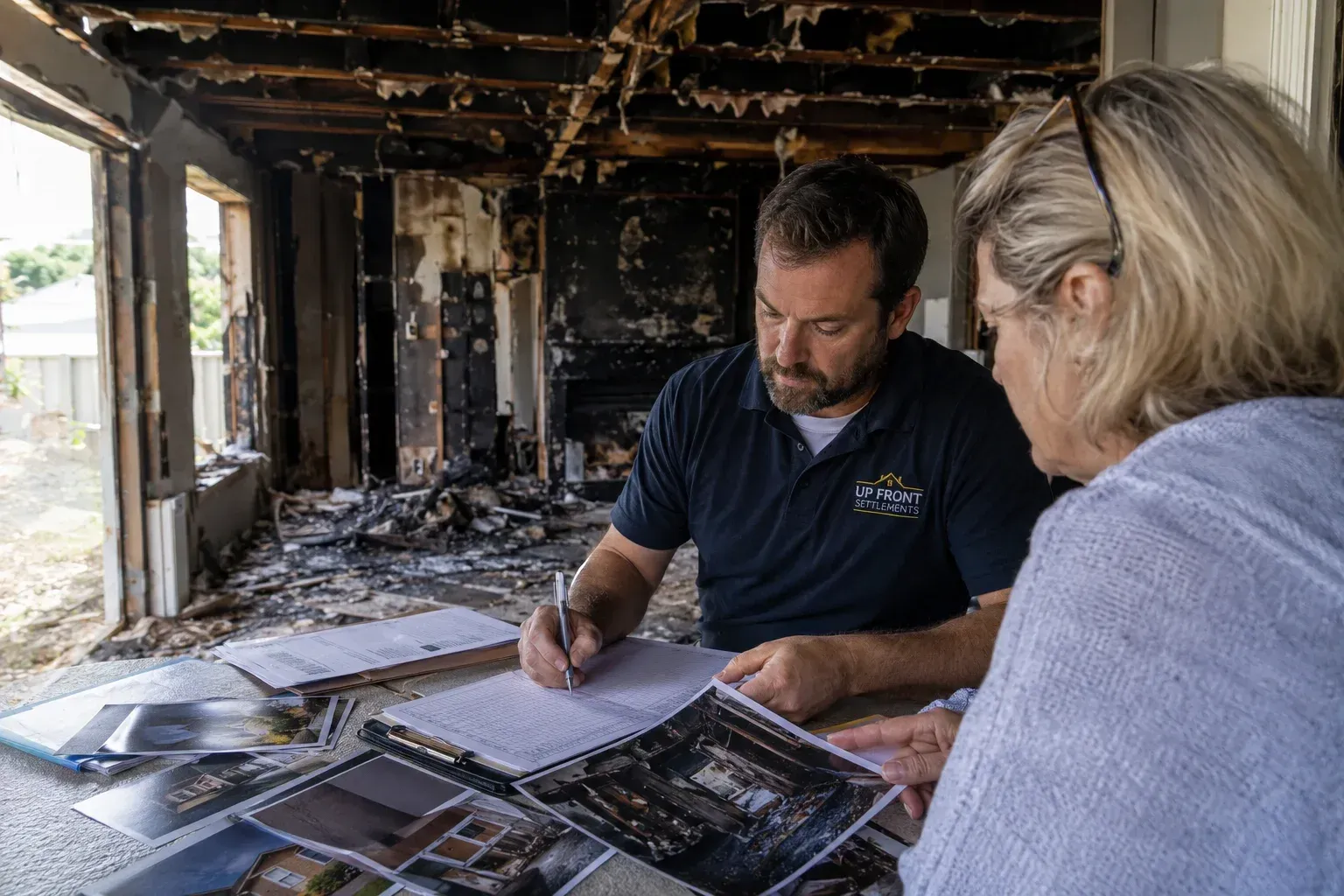
A hail-damaged roof with clear photos settles faster than a structure fire that destroyed the contents of an entire home. Water losses sit somewhere in the middle. Claims involving frozen pipes, which are common in Michigan winters, often need moisture testing and mold inspection before the full scope of damage is even known, and that testing takes time.
Quality of Documentation
Incomplete records are one of the most common causes of delay. Each time the insurer has to request missing receipts, photos, or proof of ownership, the clock resets on their review. Claims that arrive fully documented tend to move through review with fewer stops.
The Insurance Company's Workload
After a major storm passes through Oakland County, insurers receive thousands of claims at once. Inspections get scheduled weeks out and reviews slow down. A claim filed during a quiet season usually moves faster than the same claim filed after a regional weather event.
Disputes Over Scope or Value
When the insurer and the policyholder disagree about what the policy covers or what repairs should cost, the timeline extends. Some disputes resolve in a few exchanges. Others go to appraisal, a process built into most Michigan policies where each side hires an appraiser and a neutral umpire helps decide the difference. Appraisal alone can add two to four months.
Whether the Claim Was Previously Denied or Underpaid
Reopening a denied or underpaid claim takes longer than filing a fresh one. The public adjuster has to review the original file, identify what was missed, and present new evidence. These claims can still settle, but the added review often pushes the timeline past the typical range.

Michigan Rules That Shape the Timeline
Michigan does not impose a single statutory deadline for settling a property claim. The state's Uniform Trade Practices Act does require insurers to pay claims on a timely basis, and a claim paid more than 60 days after satisfactory proof of loss may accrue 12 percent annual interest owed to the policyholder.
Two other rules are worth knowing. Most Michigan homeowner policies require a signed proof of loss within a set period, often 60 days after the insurer requests it. And Michigan law generally gives policyholders one year from the date of loss to file suit over a property claim, though the policy itself controls and some allow more time. These deadlines belong on your calendar from day one, because missing them can limit your options regardless of how strong the claim is.
How Policyholders Can Help Keep a Claim on Track
You cannot control the insurance company's pace, but you can control your side of the file. Report the loss as soon as it is safe to do so. Photograph everything before cleanup begins. Keep receipts for emergency repairs, hotel stays, and meals if you are out of your home.
Respond to document requests quickly, even when they feel repetitive. Keep a simple log of every call and email with the insurer, including dates and names. Small habits like these remove the most common excuses for delay and give your adjuster a cleaner record to negotiate from.
Conclusion
Most public adjuster claims in Rochester, Michigan settle within one to three months, and complicated ones can run six months or beyond. The timeline depends on the type and severity of the damage, the completeness of the documentation, the insurer's responsiveness, and whether the two sides dispute the value of the loss.
Michigan law encourages timely payment through interest penalties but does not guarantee a specific settlement date. The most reliable way to understand your own claim's likely timeline is to look honestly at its complexity, keep thorough records, and know the deadlines in your policy. An informed policyholder makes better decisions at every stage, from the first phone call to the final payment.
Book a Strategy or Discovery Call
If you have questions about a current or upcoming property claim in Rochester or the surrounding Oakland County area, a short discovery call can help you understand where your claim stands and what a realistic timeline might look like. There is no obligation and no pressure. The goal is simply to give you clear information so you can decide what makes sense for your situation. You can reach out through the
contact page to set up a time.
Frequently Asked Question
How long does a public adjuster claim take to settle in Rochester, Michigan?
Most claims settle within 30 to 90 days of filing. Larger losses, disputed claims, and reopened denials can take six months or longer depending on the circumstances.
Does hiring a public adjuster slow down my claim?
Not usually. Preparing thorough documentation adds time at the start, but complete claims tend to face fewer requests for additional information during the insurer's review, which can reduce delays overall.
Is there a deadline for insurance companies to pay claims in Michigan?
Michigan has no single fixed deadline, but claims paid more than 60 days after satisfactory proof of loss may accrue 12 percent annual interest under the Uniform Trade Practices Act.
What is the slowest part of the claims process?
The insurer's review and the negotiation stage usually take the longest, especially when the two sides disagree on repair costs or when the company is handling a high volume of storm claims.
Can a public adjuster help with a claim that was already denied?
Yes. Public adjusters can review denied or underpaid claims and present new documentation. These claims typically take longer than new filings because the original file has to be reexamined.