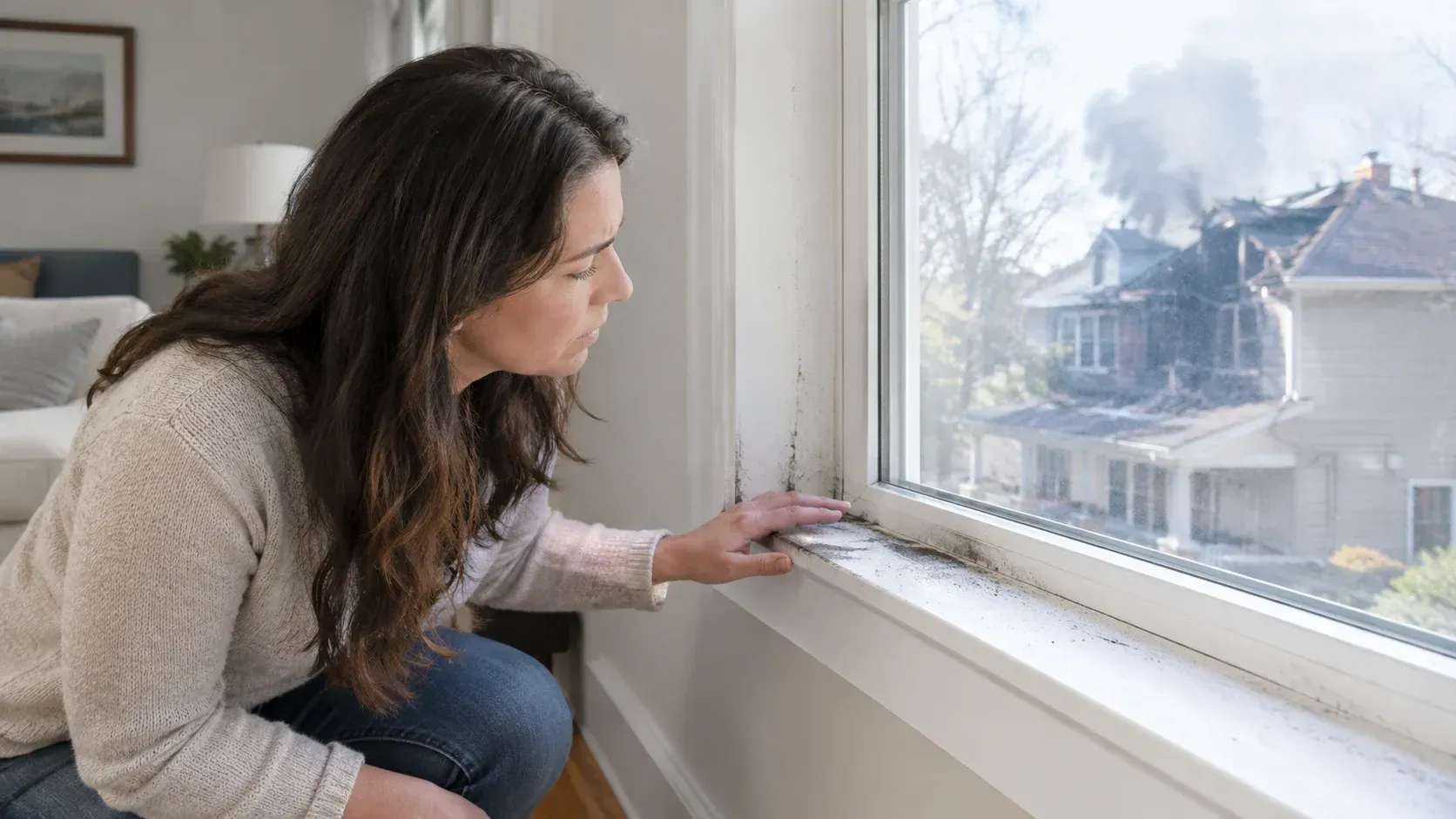
When a home is damaged, many homeowners choose to handle the insurance claim themselves. It feels logical at first. You know your home, you pay your premiums, and filing a claim seems like a simple process. Unfortunately, insurance claims are rarely simple. Small missteps made early on can radically reduce your settlement and leave you paying out of pocket for repairs that should have been covered.
Policy Confusion Leads to Missed Coverage
Insurance policies are filled with detailed language that is easy to misunderstand. Homeowners often assume certain damage is covered without fully understanding how their policy defines it. Water damage, for example, may be covered in one situation and excluded in another depending on the source. The same is true for things like mold, code upgrades, and hidden structural issues.
When damage is described incorrectly or key coverage sections are overlooked, insurers will often limit or deny parts of the claim. These decisions are difficult to overturn once the decision has been made, even if the policy allows for more coverage.
Contents Are Often Undervalued
Personal belongings are one of the most underpaid aspects of a DIY claim. After a loss, homeowners tend to rush through their contents list, using general descriptions and rough estimates. Insurance companies calculate payouts based on the details provided, so vague descriptions almost always result in lower values.
Describing an item simply as a chair, television, or clothing does not reflect its true worth. Brand, quality, age, and materials all matter. Items stored in basements, garages, or closets are also easy to forget, which quietly reduces the total settlement.
Once a contents payout is finalized, it can be difficult to increase the settlement amount later.
Weak Documentation Hurts the Claim
Photos and records play a major role in determining how much an insurer pays. Many homeowners take only a few pictures and assume that is enough. Missing documentation can lead insurers to question the severity, cause, or timing of the damage.
Hidden issues such as moisture or soot behind walls or structural compromise may not be obvious right away. If they are not documented early, insurers may argue they were pre-existing or unrelated. Without strong records, homeowners have little leverage to push back.
Insurance Estimates Are Not Always Complete
Insurance repair estimates are often based on standardized pricing and assumptions that may not reflect actual repair needs. Homeowners handling claims alone frequently accept the insurance company’s estimate without question. Later, when repairs begin, they discover important items were left out or underpriced.
At that point, it is often too late to recover the difference.
Why DIY Claims Cost More Than You Think
Each small mistake may seem insignificant on its own. Together, they can reduce a settlement by thousands of dollars. Once decisions have been made, Insurance companies are rarely willing to fix errors made by policyholders, even when those errors are unintentional.
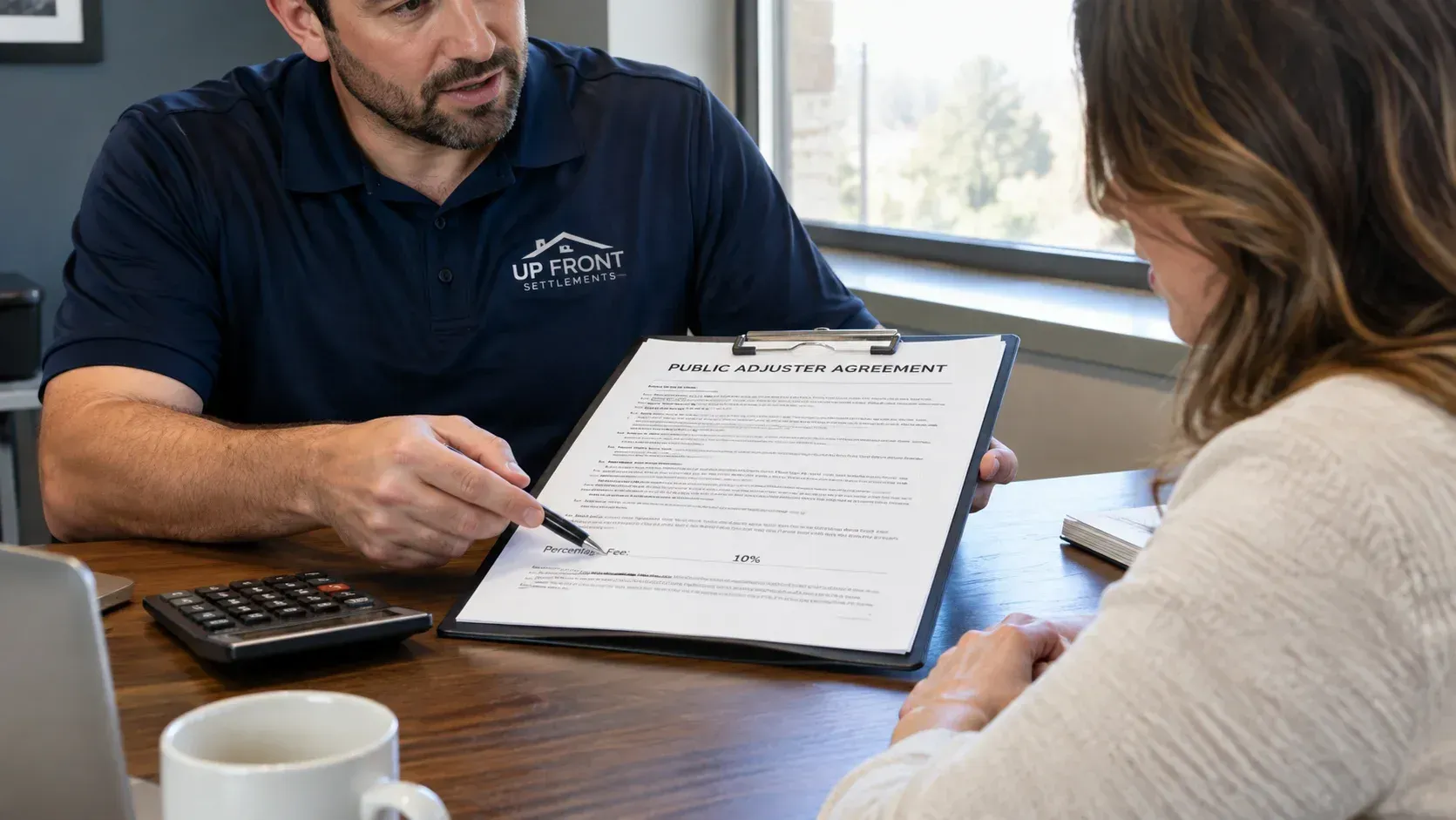
For Michigan homeowners dealing with property damage, having professional guidance can prevent the homeowner many costly issues. Up Front Settlements helps homeowners avoid common claim mistakes, document losses properly, and pursue the full settlement their policy allows. The right support from the start can make a meaningful difference in your recovery.
Contact Up Front Settlements at (248) 841-5674 today or visit us online for more information!